


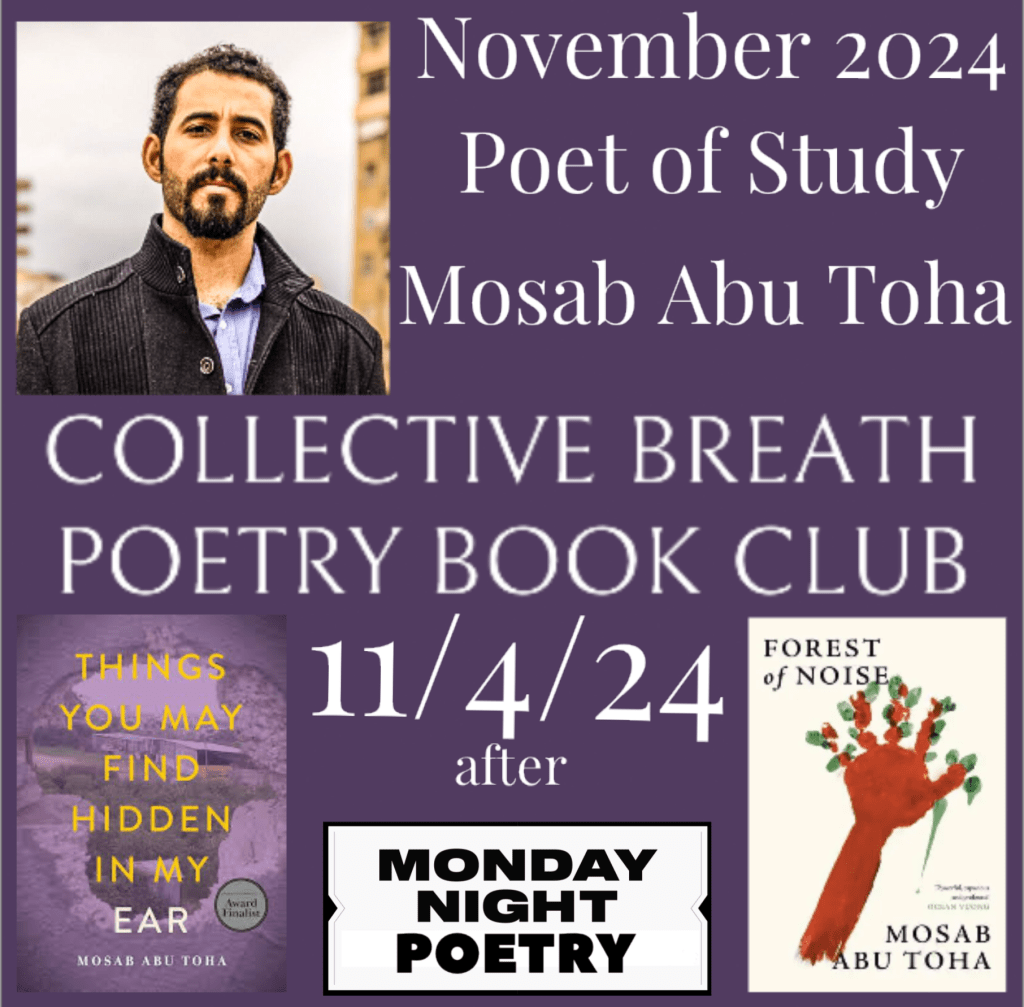
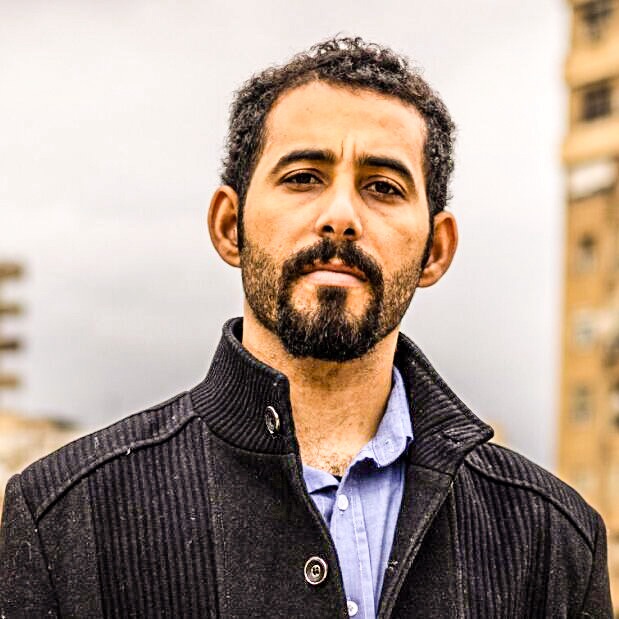
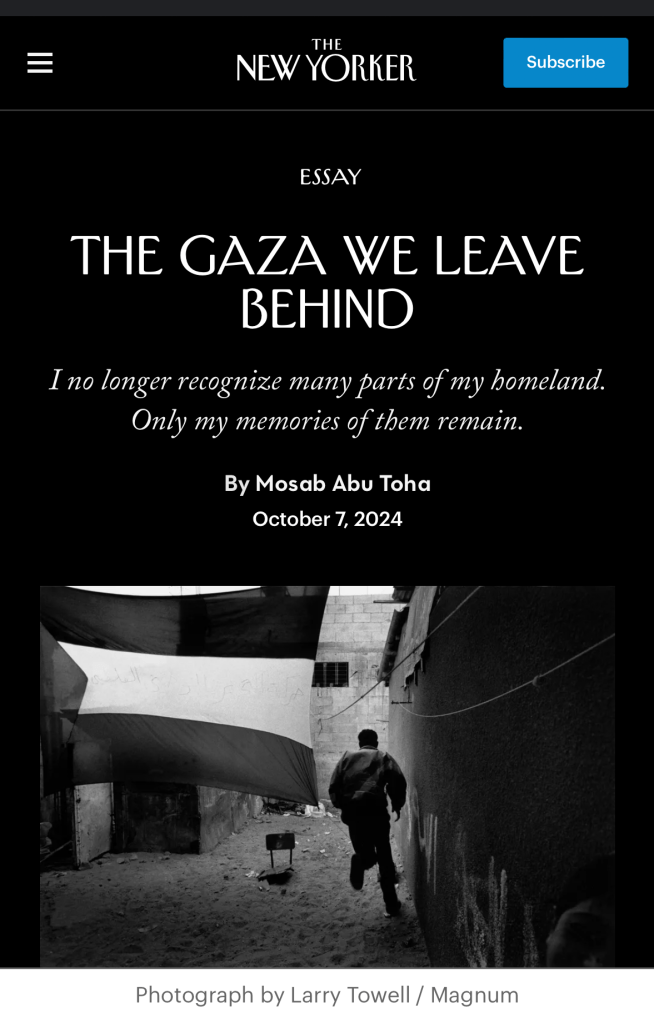
https://www.newyorker.com/culture/essay/the-gaza-we-leave-behind
https://www.npr.org/2024/10/15/nx-s1-5153581/gaza-israel-palestinian-poet-mosab-abu-toha

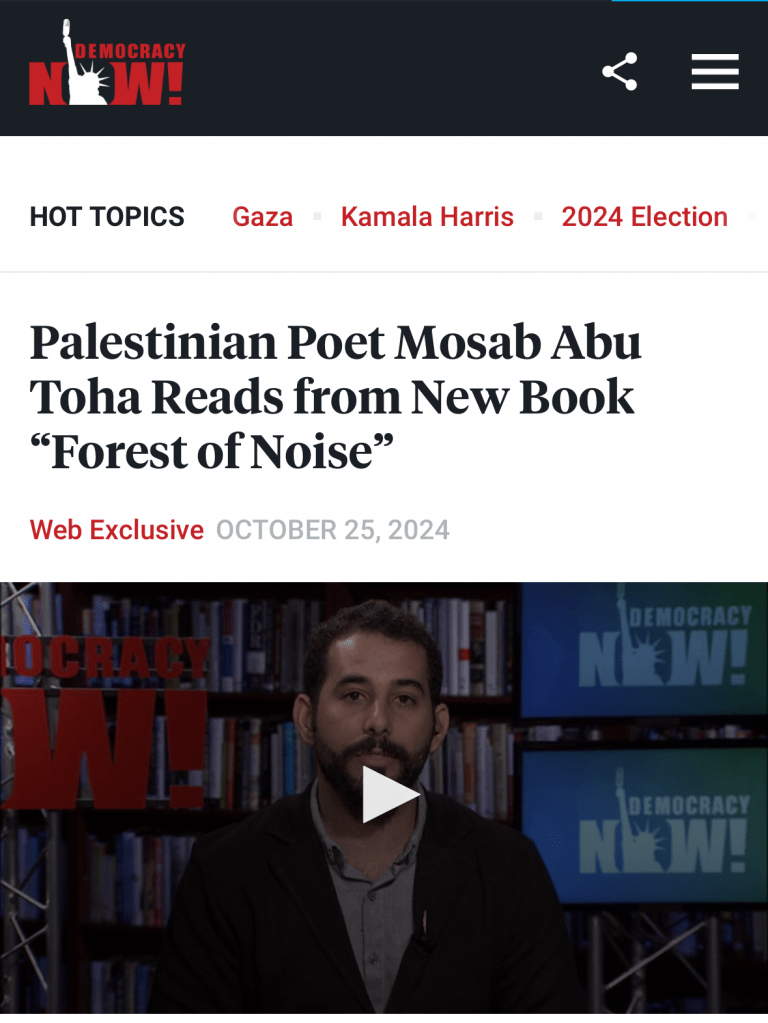
https://www.democracynow.org/2024/10/25/mosab_abu_toha_poems

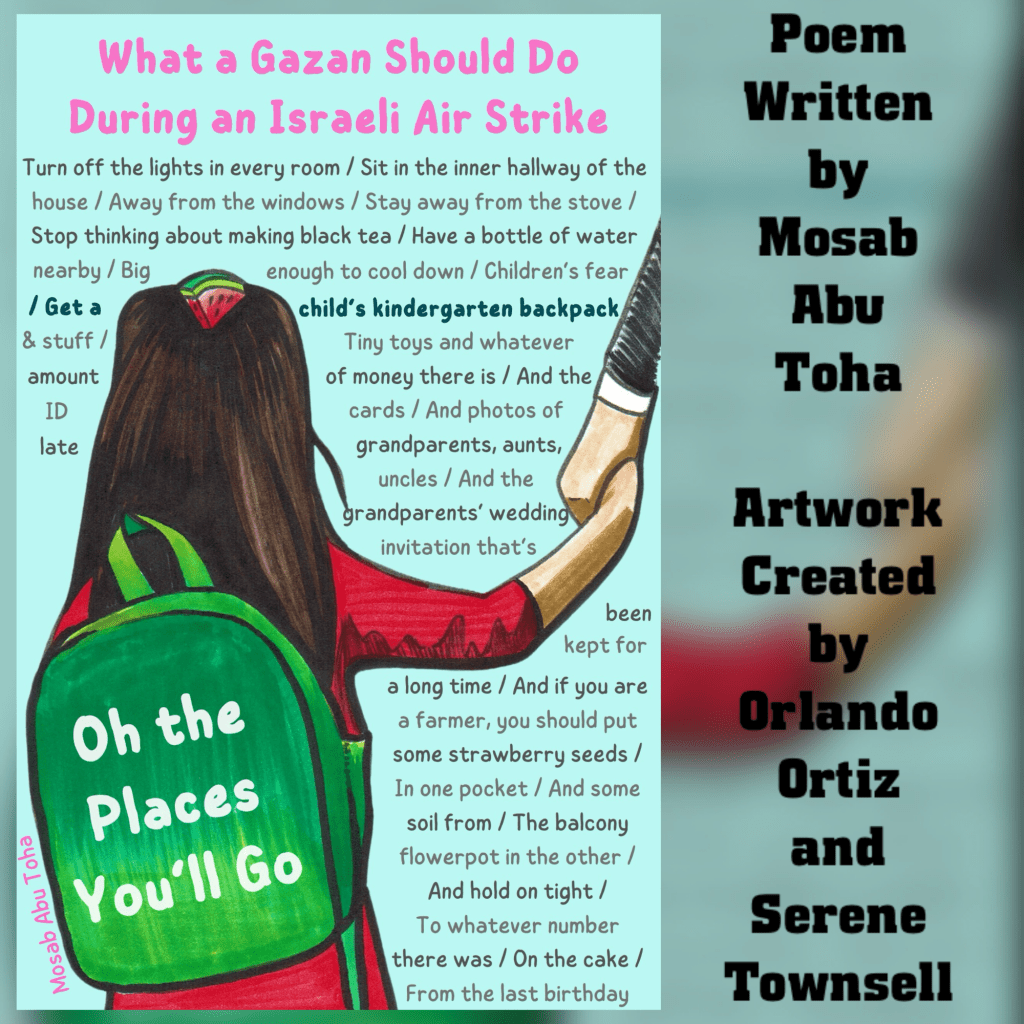
WELCOME HOME:
POETRY FROM THE PAGE TO THE STAGE
by Poet Jesse James Ziegler
November 3rd, 2024 at Our Center
According to Oxford
Poetry (noun) : literary work in which special intensity is given to the expression of feelings and ideas by the use of distinctive style and rhythm; poems collectively or as a genre of literature.
———————————————————————
POETRY GLOSSARY
https://www.poetryfoundation.org/education/glossary
PERSONAL WEBSITE
https://linktr.ee/SidewaysEight
———————————————————————
A poet’s work is to name the unnameable, to point at frauds,
to take sides, start arguments, shape the world,
and stop it going to sleep.
— Salman Rushdie
———————————————————————
———————————————————————
Introduction
———————————————————————
Whether it is the blank page or the empty stage the art form of poetry as a literary method and a spoken word opportunity has always represented a sense of self actualization, therapy, healing, release and community I wouldn’t otherwise have. The potential held in the open space helps us realize many wants and needs. Along the way we find a sense of home wherever we roam.
Poetry may not be your first love as it is mine. However this workshop was designed for anyone beginning, intermediate or advanced in the art form to use poetry as a tool to help discover your greatest loves through the processes contained within. May everyone who engages with this material in a bravely vulnerable and courageously honest way grow from it and improve upon their self love as well.
Through practical exercise and free form writing we will collectively build our way up to personal enlightenment and public sharing. It is my deepest hope that the extended workshop held within these walls acts as a safe and open space to dismantle the walls and boxes that ensnare us on the way to true freedom, love and a sense of belonging.
JJZ
———————————————————————
I Statement Sonnets
———————————————————————
I am from_______
I am of _______
I love_______
I am inspired by_______
I am intrigued by_______
I am afraid of _______
I am in awe of _______
I respect _______
I am sad because _______
I laugh at _______
I am moved by _______
I am brought to tears by _______
I am excited by _______
I look forward to _______
———————————————————————
Forms of Poetry
———————————————————————
Haiku – unrhymed poetic form consisting of 17 syllables arranged in three lines of 5, 7, and 5 syllables respectively. The haiku first emerged in Japanese literature during the 17th century, as a terse reaction to elaborate poetic traditions, though it did not become known by the name haiku until the 19th century. Haikus don’t have to rhyme and are usually written to evoke a particular mood or instance. So, you can have a lot of fun with them! You may have written or will find yourself writing your own haiku at some point in school, or you can get creative and try it at home, too.
Limerick – Limericks are funny (and sometimes rude!) poems which were made popular by Edward Lear in the 19th century. They have a set rhyme scheme of AABBA, with lines one, two and five all being longer in length than lines three and four. The last line is often the punchline. Their sound is very distinctive, it’s likely you’ve heard or read one before!
Ode – Odes are one of the most well-known forms of poetry. They tend to serve as a tribute to a subject. This subject can be a person or an inanimate object, and the voice in the poem praises the subject in a ceremonial manner. Odes are short lyric poems, which convey intense emotions, and tend to follow traditional verse structure. They are generally formal in tone. Romantic poet John Keats wrote several odes, including Ode To a Nightingale.
Elegy – Similarly to odes, elegies are tributes to certain subjects, though in this case that subject is largely a person. These poems reflect on death and loss, and traditionally include a theme of mourning. Sometimes they also include a sense of hope, through themes like redemption and consolation. Elegies are generally written in quatrains and in iambic pentameter, with an ABAB rhyme scheme. These are loose guidelines, and many poets adjust them. There is a strong tradition of poets using the elegy in order to honour and pay respects to their departed literary compatriots, such as in W.H. Auden’s poem In Memory of W. B. Yeats.
Acrostic – Like haikus, you’re likely to encounter acrostic poems at school! But that doesn’t mean they’re boring – in fact, far from it! This type of poetry spells out a name, word, phrase or message with the first letter of each line of the poem. It can rhyme or not, and typically the word spelt out, lays down the theme of the poem. Why not try it with the silliest word you can think of – it can be really fun!
Ballad – The ballad is another old and traditional form of poetry that typically tells a dramatic or emotional story. They came from Europe in the late Middle Ages and were initially passed down from one generation to another, and often with music. Ballads do have a set form; they are typically four lines (quatrain) and have a rhyme scheme of ABAB or ABCB. However, this form is looser than others so can be modified to suit a writer’s (that’s you!) needs. Most modern pop songs you hear nowadays can be referred to as ballads!
Sestina – A complex French verse form, usually unrhymed, consisting of six stanzas of six lines each and a three-line envoi. The end words of the first stanza are repeated in a different order as end words in each of the subsequent five stanzas; the closing envoi contains all six words, two per line, placed in the middle and at the end of the three lines. The patterns of word repetition are as follows, with each number representing the final word of a line, and each row of numbers representing a stanza:
1 2 3 4 5 6
6 1 5 2 4 3
3 6 4 1 2 5
5 3 2 6 1 4
4 5 1 3 6 2
2 4 6 5 3 1
(6 2) (1 4) (5 3)
Cinquan – A cinquain is a five-line poem consisting of twenty-two syllables: two in the first line, then four, then six, then eight, and then two syllables again in the last line. These are deceptively simple poems with a lovely musicality that make the writer think hard about the perfect word choices.
Pantoum – The pantoum is a poem of any length, composed of four-line stanzas in which the second and fourth lines of each stanza serve as the first and third lines of the next stanza. The last line of a pantoum is often the same as the first.
Villanelle – Villanelles (yes, this really is a type of poem, not just the name of one of the main characters in the TV show Killing Eve) are a little stricter and more complicated in form. They tend to have a fluid, almost lyrical feel to them, as they use lots of repeating lines. Villanelles consist of nineteen lines, in the form of five tercets and a closing quatrain, and they have a very specific rhyme scheme. The tercets follow the rhyme scheme ABA, while the quatrain’s rhyme scheme is ABAA. The first line repeats in lines 6, 12, and 18 of the poem, while the third line repeats in lines 9, 15, and 19. These repeated lines need to be signifcant and well-crafted as they occur so frequently. Villanelles often describe obsessions and intense subject matters. Well regarded examples include Sylvia Plath’s Mad Girl’s Love Song and Dylan Thomas’ Do Not Go Gentle into That Good Night.
———————————————————————
“The writer Philip Pullman once said
“Poetry is not a fancy way of giving you information.
It’s an incantation.
It is actually a magical spell
It changes things. It changes you
I come to you in the midst of the fires of hate with a sincere belief that we can be forged into something more beautiful on the other side
That doesn’t make me an optimist
It makes me a poet and to be a poet is to resurrect dead things like hope.
To be a poet is to be an ambassador for humanity in a society with an allergic reaction to itself
To be a poet is to notice the quiet magic that sustains life.
Is to tune each word to the hum of it.
Find majesty and magnificence in the muck
Poetry is not merely a genre of literature.
It is a mode of living:
Something we can all do if we allow ourselves to be beautiful.
So won’t you please allow yourself to be beautiful tonight.”
— Alok Vaid Menon
American writer and performer
———————————————————————
———————————————————————
High Five
———————————————————————
What is sacred to you?
What is worth living for?
What is worth dying for?
Who is your real life super hero?
What makes you happy?
———————————————————————
“I’d cut my soul into a million different pieces just to form a constellation to light your way home. I’d write love poems to the parts of yourself you can’t stand. I’d stand in the shadows of your heart and tell you I’m not afraid of your dark.”
— Andrea Gibson
———————————————————————
———————————————————————
Big Questions
———————————————————————
What’s the best advice you’ve ever received?
What’s the worst advice you’ve ever received?
What is something you used to value that you no longer value?
What is something you didn’t value before which you highly value now?
How would you define your current purpose?
If you could create one law that everyone in the world had to follow, what would it be?
What is the most meaningful thing for you to share with a friend?
What is the most traumatic experience you’ve ever had in your life? And, how does the residue of that experience show up in your present?
How are you able to share the expression of your beliefs with others?
What brings you joy?
———————————————————————
“Your heart will fix itself. It’s your mind you need to worry about. Your mind where you locked the memories, your mind where you have kept pieces of the ones that hurt you, that still cut through you like shards of glass. Your mind will keep you up at night, make you cry, destroy you over and over again. You need to convince your mind that it has to let go…because your heart already knows how to heal.”
— Nikita Gill
———————————————————————
———————————————————————
Memories
———————————————————————
Describe your earliest memory of joy.
Describe your earliest memory of pain.
Describe your favorite spot in the world using all five senses.
———————————————————————
I have these stories with me. The hard part was about reflecting on my feelings, not my experience. There are two parts to any story, the experience and the feelings. The emotions that come with this experience. And this is what poetry is to me.
—- Mosab Abu Toha
———————————————————————
———————————————————————
Calendar Considerations
———————————————————————
Days of remembrance, mourning, grief, loss, and power listed in chronological order across the year. Celebrate the triumphant ones. Lean into and replace the somber ones. Learn from the destructive ones. Take power back over the darkest ones.
January:
February:
March:
April:
May:
June:
July:
August:
September:
October:
November:
December:
———————————————————————
Personal Questions
———————————————————————
What’s the story behind your name?
What’s your favorite thing you’ve ever done on your birthday?
What’s the best gift you’ve ever received?
What’s your favorite day of the year?
———————————————————————
Rank the seasons from 1 to 4. One being your favorite. 4 being your least favorite.
1.
2.
3.
4.
———————————————————————
Rank your five favorite colors in order.
1.
2.
3.
4.
5.
———————————————————————
Not So Random
———————————————————————
Heads or Tails?
Odd or Even?
———————————————————————
Prompts
———————————————————————
Write about returning to a home that is no longer yours. (Megan Falley)
Write a poem in which you give your memories away to the thrift store. Which memories no longer “fit” you but you think someone else might wear? Which memories do you donate but really should have just thrown in the trash? (Ollie Schminkey)
———————————————————————
Environmental Considerations
———————————————————————
Inside V. Outside
Sounds
Lighting
Temperature
Body position
Bodily Movement
Time of day
Rituals
Food and Liquids
Sleep/Rest
———————————————————————
Write all the time, and read more than you write. I see writing and reading as a conversation. As a writer, if you’re only doing one, you’re only getting half of a conversation which is never the full story. If you’re only reading it’s as if you’re only listening to others in conversation while never taking part in it. If you’re only writing it’s as if you’re talking to yourself in the mirror all of the time. You must be doing both all of the time in order to get better. Doing something a lot is the only way you get better at something. Inspiration is great when it comes, but discipline is always there. So you must always be disciplined on the way to inspiration.
— Dr. Javon Johnson
———————————————————————
———————————————————————
Suggested Further Reading
———————————————————————
WE HEAL TOGETHER
Rituals and Pratices For Building Community and Connection
by Michelle Cassandra Johnson
FINDING REFUGE
Heart Work for Healing Collective Grief
by Michelle Cassandra Johnson
POETRY THERAPY
Therapy and Practice
by Nicholas Mazza
BIBLIO / POETRY THERAPY
The Interactive Process: A Handbook
by Arleen McCarty Hynes and
Mary Hynes-Berry
WORDS FROM A THERAPIST
When Poetry Meets Therapy
by Sahara Omar, MA, MFTC
BEARING THE UNBEARABLE
Love, Loss and the Heartbreaking Path of Grief
by Joanne Cacciatore, PhD
POETRY AS PERFORMANCE
Homer and Beyond
by Gregory Nagy
BLUEPRINTS
Bringing Poetry into Communities
Edited by Katharine Coles
WRITE A POEM, SAVE YOUR LIFE
A Guide for Teens, Teachers, and Writers of All Ages
by Meredith Heller
POETRY EVERYWHERE
Teaching Poetry Writing in School and in the Community
by Jack Collin and Sheryl Noethe
OUTSPOKEN!
How to Improve Writing and Speaking Skills Through Poetry Performance
by Sara Holbrook & Michael Salinger
POETRY WILL SAVE YOUR LIFE
A Memoir
by Jill Bialosky
POETRY THERAPY
The Use of Poetry in the Treatment of Emotional Disorders
Edited by Jack J. Leedy, MD
POETRY AS SPIRITUAL PRACTICE
Reading, Writing, and Using Poetry in Your Daily Rituals, Aspirations, and Intentions
by Robert McDowell
THE WORKING POET
75 Writing Exercises and a Poetry Anthology
Edited by Scott Minar
IN THE PALM OF YOUR HAND
The Poet’s Portable Workshop
A Lively and Illuminating Guide for the Practicing Poet
by Steve Kowit
THE PRACTICE OF POETRY
Writing Exercises from Poets Who Teach
Edited by Robin Behn & Chase Twichell
SPIRIT, RHYTHM, AND STORY
Community Building and Healing Through Song
by Terence Elliott
WINGBEATS:
Exercises & Practice in Poetry
Edited by Scott Wiggerman & David Meischen
THE ART OF GATHERING
How We Meet and Why it Matters
by Priya Parker
THE CREATIVE ACT: A WAY OF BEING
by Rick Rubin
THE HEALING POWER OF POETRY
by Dr. Smiley Blanton
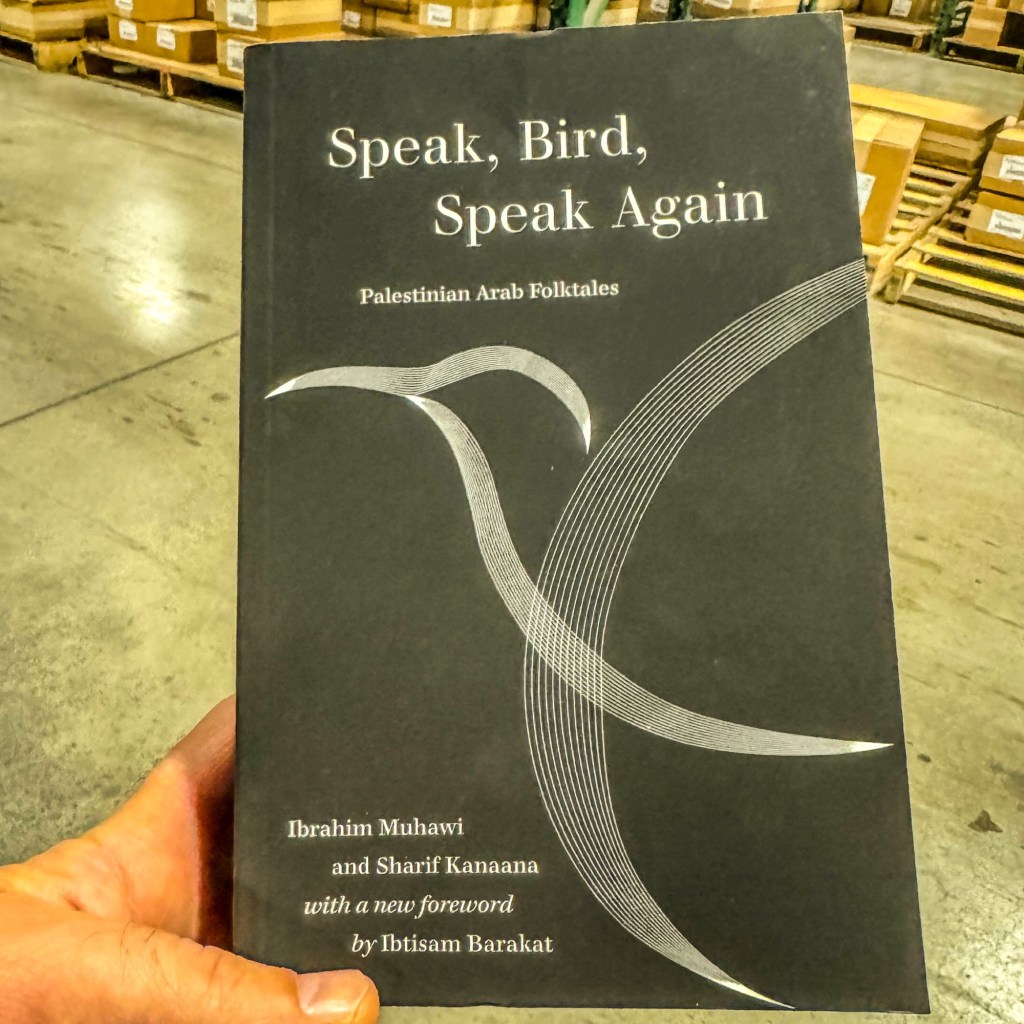
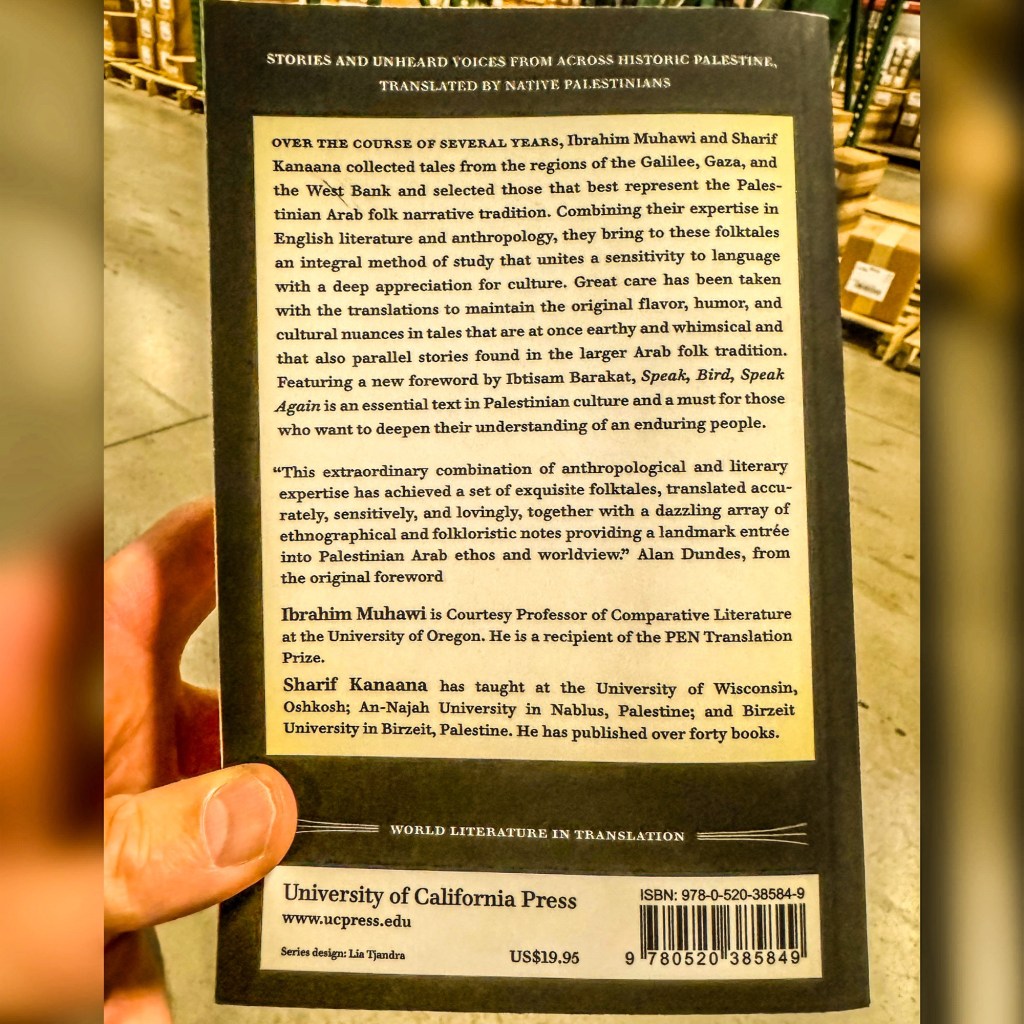





Epigraph:
“I DON’T PRETEND WE HAVE ALL THE ANSWERS. BUT THE QUESTIONS ARE CERTAINLY WORTH THINKING ABOUT.”
— ARTHUR C. CLARKE
—-—————————
Until
Let’s pretend for a moment
that significant arts integration
in schools, at early ages
and along the path of upbringing
doesn’t have countless benefits
proven extensively
in the short and long term
across the board.
Let’s also pretend those benefits
don’t include drastic improvements
in confidence, creativity
ability to learn, critical thinking,
decision making, problem solving,
fewer disciplinary infractions and more school engagement.
Let’s further pretend
for the sake of argument and
entertainment value
there wouldn’t be additional improvements
across three levels of skills:
fine motor, language and social
joining forces with empathy,
focus and aesthetic appreciation.
Let’s pretend, shall we?
Everyone has a storyteller inside them somewhere.
Let’s make believe we live in a world
where we can set all of those things aside.
Let’s look at the other side.
When are you going to get a real job?
The arts don’t change anything.
They don’t make a significant difference.
The arts aren’t needed to sustain life.
They aren’t necessary for our existence.
They don’t matter.
Some may dismissively say the arts
are for those with access to
opulence and affluence
rather than seeing them for the
sustenance they are
in meeting
basic wants for all
Some may flippantly remark the arts
are a side hobby for those who embody
luxury and privilege
as opposed to a lifeline in providing
basic needs for all
Some may have a vision of the arts
as being representative of
grandeur and splendor only
rather than the basic building blocks
of everyday life as well
Perhaps people don’t think about artistry
the way they ought to
Until
Until the city walls feel like they’re closing in
yet the paintings on the walls of the museum rekindle our spirit
Until the single Dad, passed up for the well deserved promotion at work finds the strength at his daughter’s ballet recital that night to keep fighting the good fight
when he’s watching what matters most
Until the parents have to bury their own child as a result of senseless violence and need to escape together from the ills of adulthood into Mahler’s 9th symphony at the local performing arts venue
Until the recent widow uncovers a sense of community within the crochet club at the local center
Until the heart is shattered, in dire need of repair, and a stand up comedian becomes the surgeon we most needed
Until the events of the day knock the wind out of us and a magician’s slight of hand trick helps us feel lighter than air again
Until the small child whose school, home and hospital are no longer, uses the sooty oil from a blown out small engine as ink, and one of the legion of empty shells responsible as a canvas to sketch their idea of paradise, determined to live it out line by fractured line rather than become one of the monsters who did this.
Until our partner cheats on us and runs out on responsibility and a touring light show helps restore our sense of self, bringing color back into our world
Until the headlines overwhelm us
and our inspired tattoos renew us
Until we are at the brink of utter exhaustion
from working multiple jobs
none of which offers sufficient benefits
and wood working tutorials
or a tap dance class
or a burlesque show
or making a collage for a friend’s birthday
gives us the release to get through
our day
Until caregivers and protectors discover new levels of toleration and respect for the fiercely dressed artists volunteering to read to children and their parents at the local library. Causing everyone’s hearts and minds to open wider than previously thought possible.
Until the dwelling place is incinerated in a wildfire and we find an irreplaceable photograph miraculously untouched in the ashes
Until our furry and feathered friends’ batteries run out and a recessed outline of how they stood in our lives is set in a glazed ceramics display. A constant reminder of the permanent imprint upon our heart. Perhaps gone, but never forgotten.
Until those closest to us share their story of being abused and we’re able to sit with them in silence gazing upon sculptures formed by positive touch
until the marble and our hearts both soften
Until the unhoused individual sitting curbside contemplating intentionally losing a game of chicken with an oncoming train notices the innocent expression on one of the faces in the nearby mural and decides against it.
Until the soldier returns from active duty in a war zone to a place which formerly felt like home to find a poetry therapy group and begins to find their bearings again through creative writing catharsis.
Until the teachers, counselors, coaches, therapists, pastors and health care providers take in the perfect play or a fantastic film and take on their tasks more fully restored than the day before.
A life rich in art for everyone is
like continuously opening Christmas presents or finally finding the last Easter egg after a long search
A life rich in art for everyone helps aid
us collectively to
Liven up the languid
Ignite the intention
Vibe with the volatility
Embrace the enigmatic
Collaborate with the conflict
Rescue the remedy
Exercise at elevation
Acknowledge activism
Testify to the truth
Investigate the imagination
Verify the viable
Energize eccentricity
Let go of loss
Yearn for out yonder
The arts teach us
Goodness, mercy and kindness often come from unpredictable places
The arts show us
A candle flickering in the darkness that is the lonely executioner of night
can be enough to light our way home
They help our bodies to know
When the wounds of our falls are still fresh we are better able to swiftly rise
and finish the race strong
They had us staying up later and later
to watch just one more episode
during the pandemic.
They have us sitting in our cars
in our driveways
after the engines have been quieted
to finish the song playing
before we go inside after a long day
They have strangers
seated in the same restaurant as each other
showing their excitement
for someone celebrating
another trip around the sun
by singing in unison
a song we all know
Being an artist isn’t just a real job.
It’s the most real job I can imagine,
and the most needed job I can think of.
The job of being better human beings.
Everything matters.
See we as artists may have a difficult time
in a corporatist climate making a living
but we have an easy time
making life more worth living
for everyone whose lives we touch
including our own
Until we finally see the light
{Written for DINNER ON THE BRIDGE 10/5/24 A Sierra Arts Foundation Fundraiser}




 SIDEWAYS EIGHT PROJECTS